


Why Concrete Spalls. And How to fix it on Site.
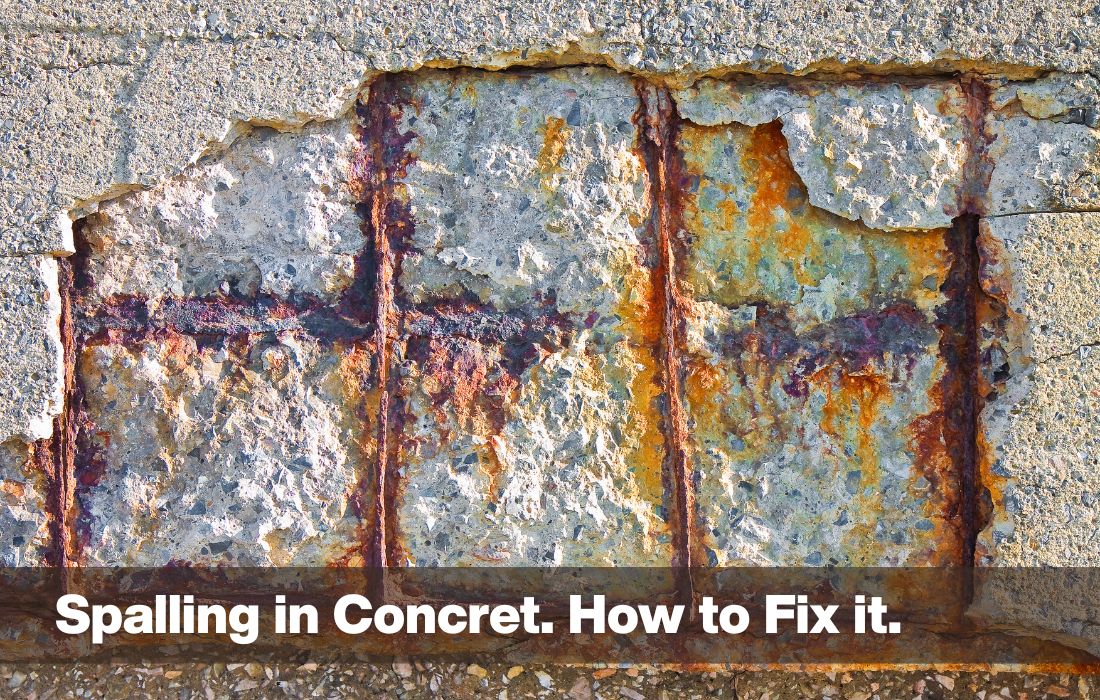
Concrete spalling is one of those problems that looks cosmetic at first, but in real life, it’s usually a sign something more serious is happening underneath. I’ve seen it on balconies, beams, columns, parking slabs, and even brand new structures where workmanship or materials weren’t right. Most of the time, the root cause is steel corrosion. When moisture and oxygen reach the reinforcement, the steel rusts, expands, and pushes against the concrete cover. That internal pressure cracks the concrete, and eventually pieces start popping off. Other causes I’ve dealt with include poor compaction, inadequate cover, carbonation, chloride attack near coastal areas, and sometimes freeze thaw damage in colder climates. But honestly, corrosion is the big one in most real projects.
So when I walk onto a spalling repair job, the first thing I try to understand is why it happened. If you only patch the broken concrete without addressing the cause, you’re just buying time. I usually start by sounding the area with a hammer to find loose or hollow concrete. Then we break out everything that’s weak until we reach solid, well bonded concrete. And yes, that often means exposing more steel than expected. But that’s better than leaving behind rusted bars that will keep expanding and cracking your repair from inside.
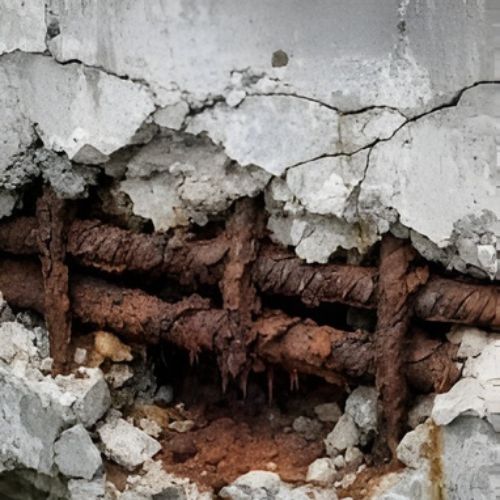
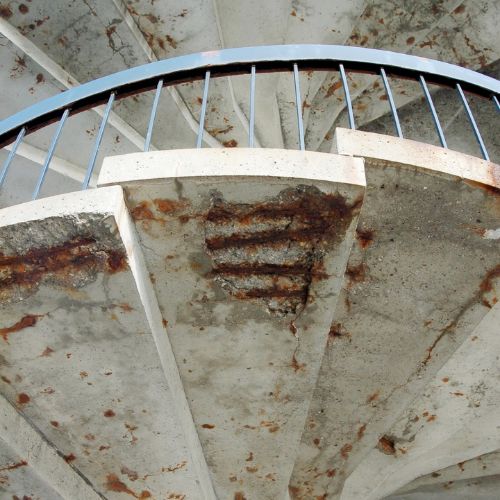
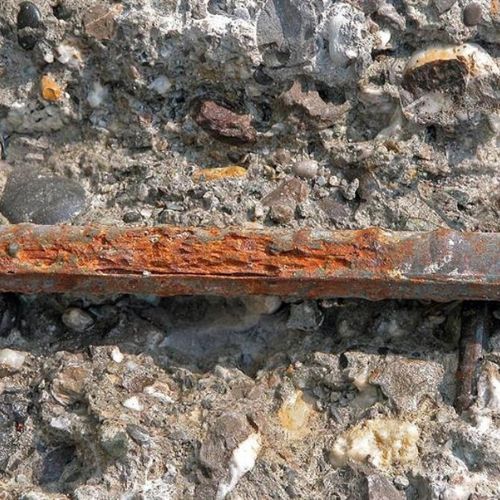
Once the steel is exposed, cleaning it properly is non negotiable. I’ve seen people just brush it lightly and move on, and those repairs rarely last. The goal is to remove all rust, ideally back to near white metal using wire brushing, mechanical grinding, or grit blasting if possible. After that, I almost always apply a corrosion protection coating or passivating slurry on the reinforcement. This creates a barrier and helps restore alkalinity around the steel. Only then do I rebuild the section using a polymer modified repair mortar or micro concrete, depending on the depth and size of the repair. The material choice matters a lot. You want good bond strength, low shrinkage, and compatibility with the parent concrete. And curing is just as important as placement. I mean it. Poor curing ruins more repairs than bad materials ever will.
Now, when it comes to replacing corroded rebar instead of just treating it, that decision needs judgment, not guesswork. If the steel has lost more than about 20 percent of its diameter, or if pitting is deep and widespread, replacement is usually the safer option. I’ve also replaced bars where corrosion is active along long lengths, especially in aggressive environments like coastal structures or chemical plants. When you cut and splice new steel, lap lengths must follow design codes, and the new bar should match the original grade and diameter.
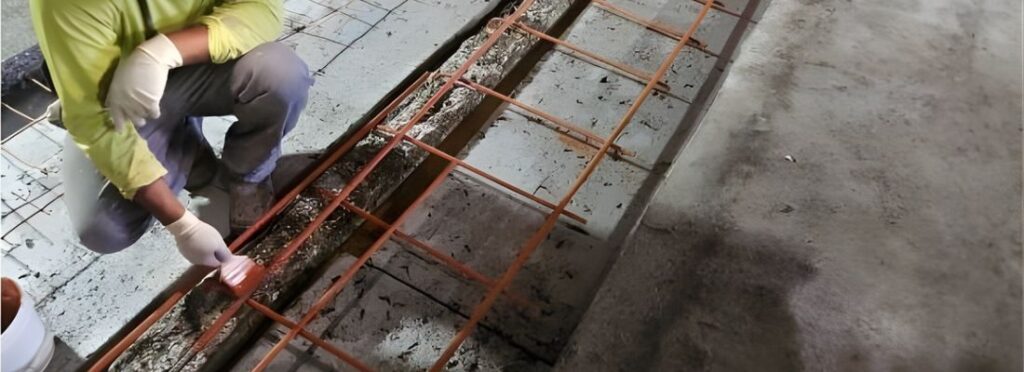
And here’s something I always tell site teams. Don’t rush the rebuild. Make sure the substrate is clean, roughened, and saturated surface dry before applying any repair mortar. Use bonding agents where required, compact the repair properly, and build in layers if the thickness is large. If chlorides or carbonation caused the original damage, consider surface protection coatings or sealers after repair to slow down future deterioration. Otherwise, you’ll likely be back on the same spot in a few years. I’ve seen that cycle too many times.
Concrete spalling isn’t just a surface defect. It’s usually a warning sign that corrosion or durability issues are already working inside the structure. In my experience, good repairs start with understanding the cause, removing all damaged concrete, properly treating or replacing the steel, and using the right repair materials with proper curing. If you respect the process and don’t cut corners, these repairs can last decades instead of a few seasons. And that’s really the goal. Fix it once. Fix it right.
Let me know your thought, exprience in the comment section.
Contact details : www.linkedin.com/in/sanjay-sadanandan , sanjay@aaa-ron.com +968 91145302.