



Why a Cooler Roof Means a More Productive Poultry Farm ?.
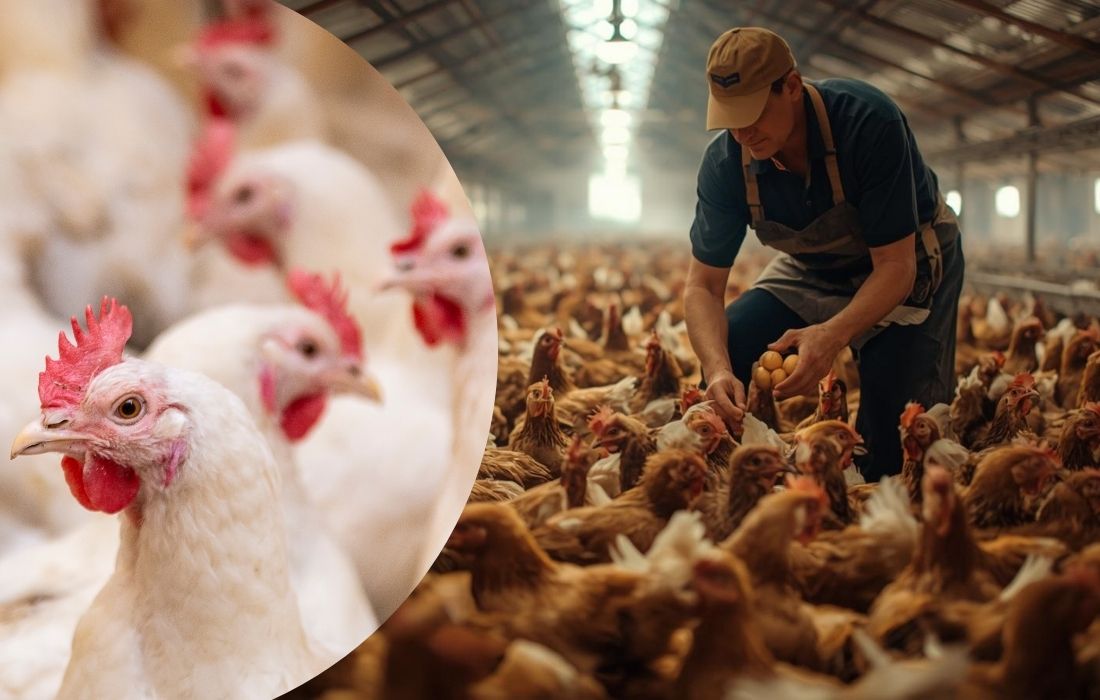
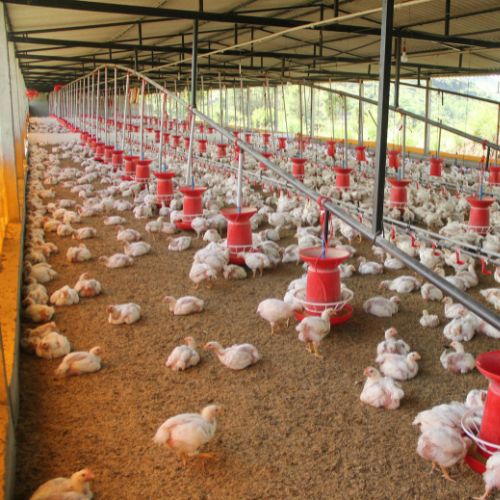
Anyone who has worked around poultry farms knows how sensitive birds are to heat. When temperatures rise inside the shed, birds get stressed. Feed intake drops, egg production goes down, and overall health starts to suffer. In hot climates, controlling heat inside a poultry farm is not a luxury. It’s a necessity.
One of the most effective and practical ways I’ve seen to reduce heat inside poultry sheds is by treating the roof itself. Most poultry houses have large exposed roofs that absorb solar heat all day long. That heat then radiates inside, raising the internal temperature well beyond what ventilation alone can manage.
This is where ceramic-based roof coatings make a real difference.
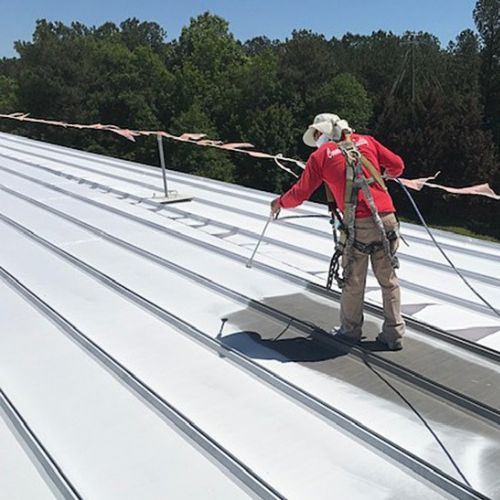
Ceramic roof coatings work differently from traditional insulation. Instead of trapping heat, they focus on reflecting it. These coatings contain hollow ceramic microspheres that reflect a large portion of solar radiation and reduce heat absorption at the roof surface. Simply put, less heat enters the building, so the inside stays cooler.
When applied on poultry farm roofs, the difference is noticeable. Roof surface temperatures drop, and that directly translates to lower temperatures inside the shed. A cooler environment reduces heat stress on birds, helping them stay active, eat better, and maintain consistent egg production.
Beyond thermal performance, these coatings also provide strong waterproofing protection. Poultry farm roofs are constantly exposed to rain, washing, and moisture. A seamless ceramic coating prevents water ingress, eliminates small leaks, and protects the roof structure from long-term moisture damage. By sealing the surface, it also helps prevent corrosion, especially on metal roofs, significantly extending the life of the roof system.
Another practical benefit is reduced strain on ventilation fans and cooling systems during peak summer. With less heat entering through the roof, energy consumption drops and indoor conditions remain more stable, even during extreme weather.
What I like most about this solution is its simplicity. There is no major structural change, no bulky insulation to install, and no disruption to daily farm operations. It’s a straightforward coating application that starts delivering benefits almost immediately.
In poultry farming, bird comfort directly impacts productivity. By controlling roof heat, waterproofing the structure, and protecting it against corrosion, ceramic insulation coatings help create a healthier environment, improve livestock performance, and support better egg production.
Sometimes, the smartest improvements are the ones that quietly do more than one job. A ceramic roof coating is a good example of that.
Let us know your thought, exprience in the comment section.
Contact details : www.linkedin.com/in/sanjay-sadanandan , sanjay@aaa-ron.com +968 91145302.