



Waterproofing Pools That Last. Real Site Experience That Works.
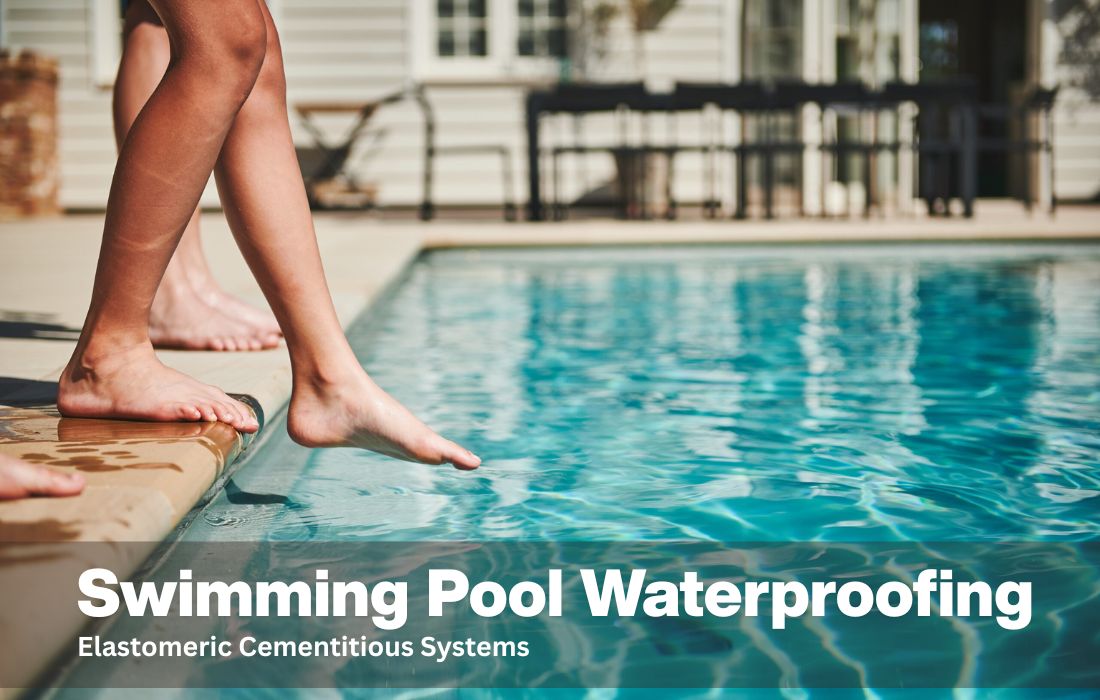
Over the years, I’ve worked on many swimming pool projects, and if there’s one issue that causes the most trouble, it’s water leakage. Pools are constantly under water pressure, both from inside and sometimes from surrounding soil, and even a tiny crack or weak joint can turn into a serious problem. I’ve seen beautifully finished pools develop damp patches, tile debonding, and even structural distress simply because waterproofing was treated as an afterthought. In my experience, good waterproofing isn’t just about stopping leaks. It’s about protecting the structure, preserving finishes, and avoiding expensive repairs later.
This is where elastomeric cementitious waterproofing products really stand out. Unlike rigid coatings, these systems have flexibility built into them. That flexibility allows the coating to bridge hairline cracks and handle small movements in the concrete without breaking. Technically speaking, they combine cement-based binders with polymer modifiers, which improves adhesion, tensile strength, and crack-bridging ability. On site, what I appreciate most is that they bond well to damp concrete surfaces and become an integral part of the substrate. That makes them ideal for swimming pools, where moisture control is always a challenge during construction.
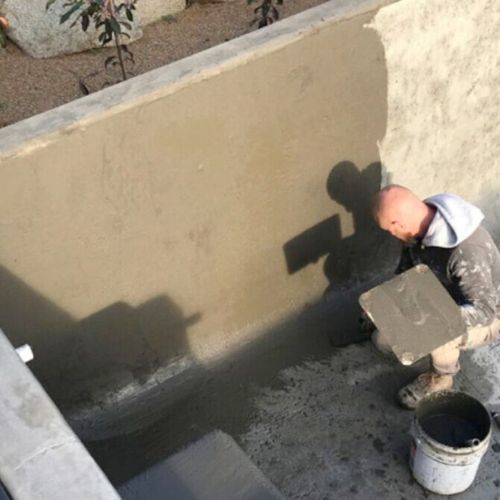
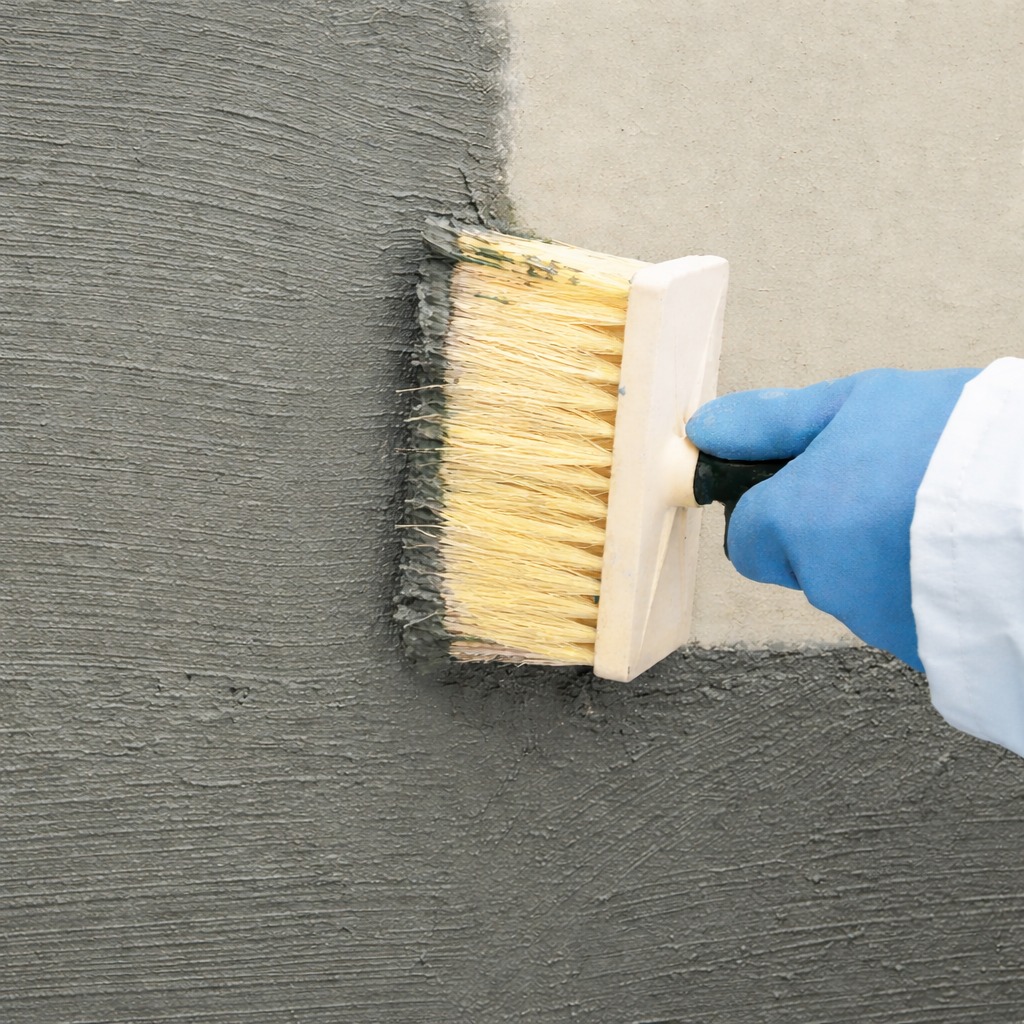
Another big advantage I’ve seen is their compatibility with tile adhesives and finishes. Since elastomeric cementitious coatings are cement-based, tile adhesives bond well over them without special primers or complicated surface treatments. This reduces the risk of tile popping, hollow sounds, or grout failure. From a technical point of view, these coatings also resist hydrostatic pressure, which is critical in pools that are emptied and refilled or located in high water table areas. Practically, this means fewer callbacks, fewer complaints, and a pool that performs the way it’s supposed to for years.
Application quality matters just as much as product selection. I always tell clients and contractors that surface preparation is non-negotiable. Cracks must be repaired, honeycombs filled, and corners treated with proper fillets or reinforcement fabric. The elastomeric cementitious coating should be applied in two coats at the recommended thickness, usually by brush or spray, with proper curing between layers. When this is done right, the waterproofing system forms a seamless, durable barrier that moves with the structure and stands up to constant water exposure, cleaning chemicals, and thermal cycling.
What really convinces me of the value of this system is long-term performance. I’ve revisited pools years after application and found the waterproofing still intact, with no signs of leakage or debonding. Compared to rigid cement slurries or thin membrane systems, elastomeric cementitious coatings offer a much better balance between flexibility, durability, and ease of application. From both a technical and practical standpoint, they’re one of the most reliable choices for swimming pool waterproofing, especially in hot climates where thermal movement is a constant factor.
From my experience, swimming pool waterproofing is not something you compromise on or try to fix later. The right system, applied correctly at the construction stage, saves massive costs, headaches, and downtime in the future. Elastomeric cementitious waterproofing products offer the flexibility, bonding strength, and long-term durability that pools demand. If your goal is a pool that stays watertight, structurally sound, and trouble-free for years, this is one solution I confidently stand behind.
Let me know your thought, exprience in the comment section.
Contact details : www.linkedin.com/in/sanjay-sadanandan , sanjay@aaa-ron.com +968 91145302.
#SwimmingPoolWaterproofing #ConstructionChemicals #ElastomericCoatings #BuildingDurability
#WaterproofingSolutions