


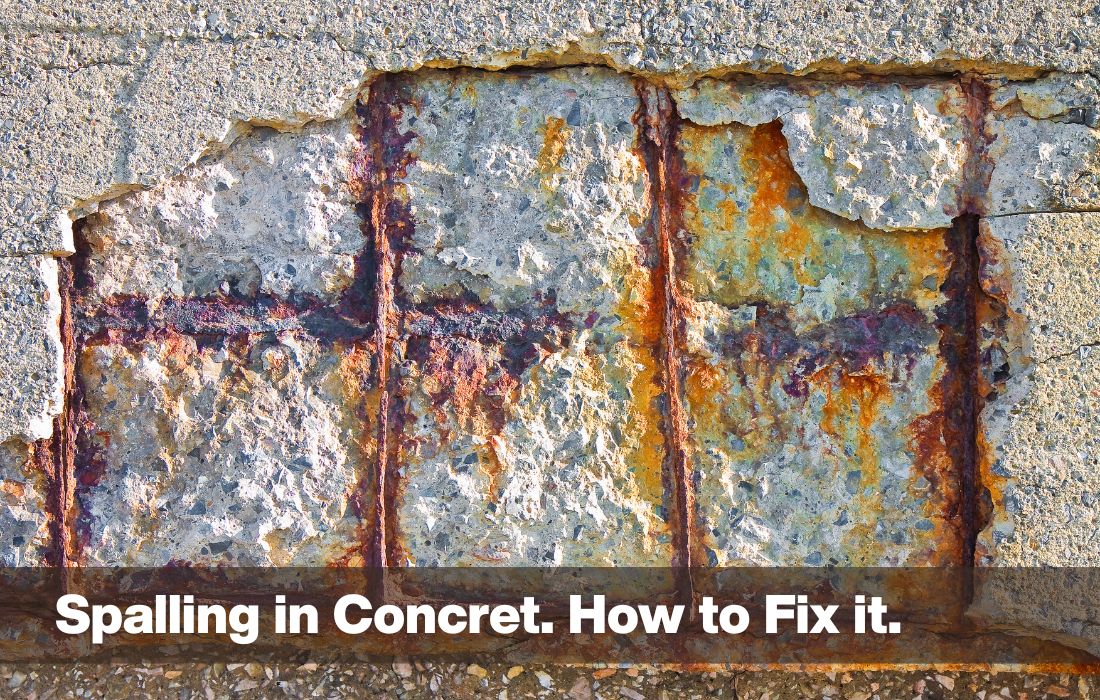


From Hairline to Structural Cracks. The Right Injection Solutions
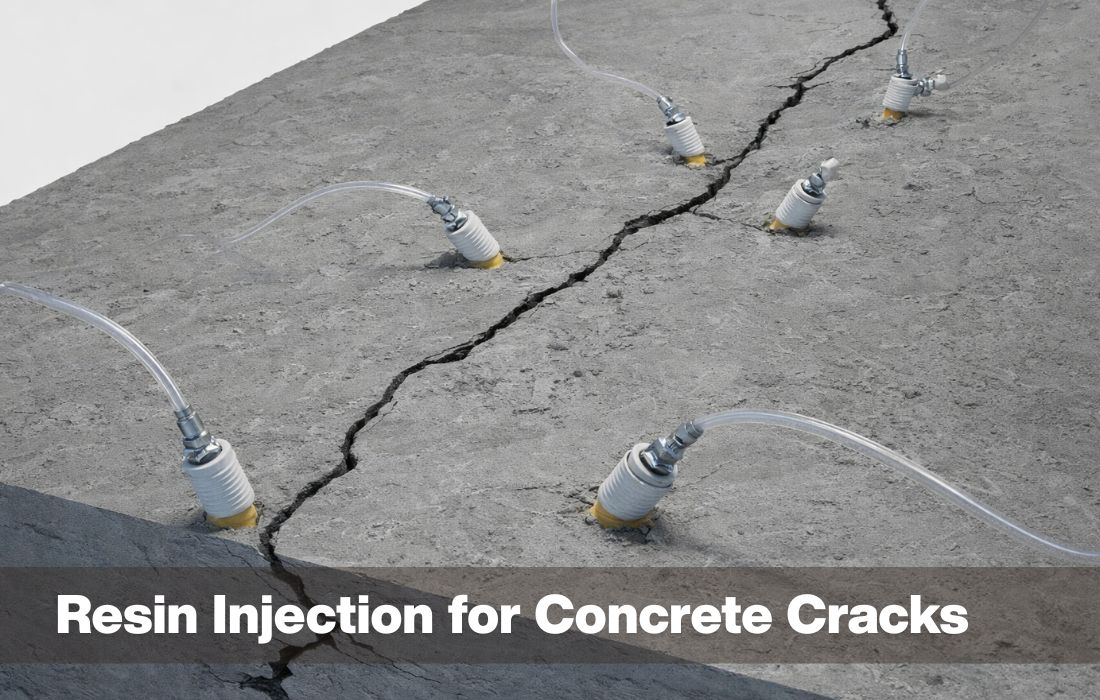
Over the years, I’ve repaired everything from tiny shrinkage cracks in slabs to serious structural cracks in beams, walls, and water-retaining structures. One thing I’ve learned very quickly is this. All cracks are not the same, and treating them with the same material almost always leads to failure. Some cracks are dry and dormant, some are leaking, and others are actively moving. That’s where resin injection becomes such a powerful repair method. When done right, it doesn’t just seal the crack. It restores strength, stops water ingress, and extends the life of the structure.
Let me start with epoxy resin injection, which is what I use when structural strength needs to be restored. Epoxies are rigid, high-strength materials that bond extremely well to concrete. I typically specify epoxy injection for dry, non-moving cracks in beams, columns, slabs, and shear walls. These cracks are usually caused by overloading, early-age shrinkage, or design stress concentrations. Once injected, the epoxy essentially glues the concrete back together and transfers loads across the crack. From a technical point of view, epoxies have high compressive and tensile strength and very low shrinkage. On site, what I like most is how effectively they penetrate fine cracks and bring back monolithic behavior when applied under controlled pressure.
When the crack is leaking or subject to moisture, epoxy is no longer the right choice. In those cases, I move to polyurethane (PU) resin injection. PU resins react with water and expand, which makes them excellent for stopping active water leaks in basements, tunnels, podium slabs, and water tanks. I’ve used hydrophilic PU for slow seepage and hydrophobic PU for fast-flowing leaks where quick reaction and foam expansion are needed. Technically, these resins form a flexible, closed-cell or open-cell foam structure that blocks water pathways while still allowing some movement in the crack. Practically speaking, they are lifesavers when you need to stop leaks quickly without breaking finishes or draining tanks.
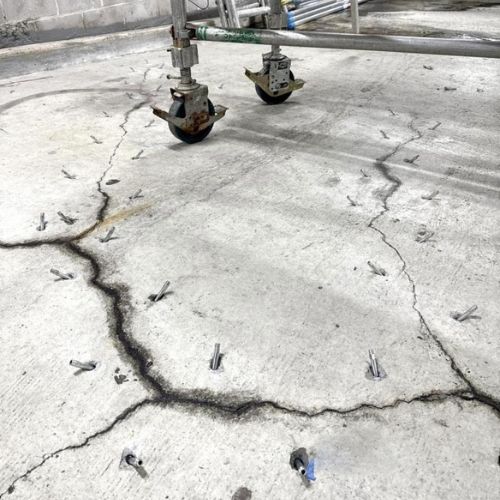
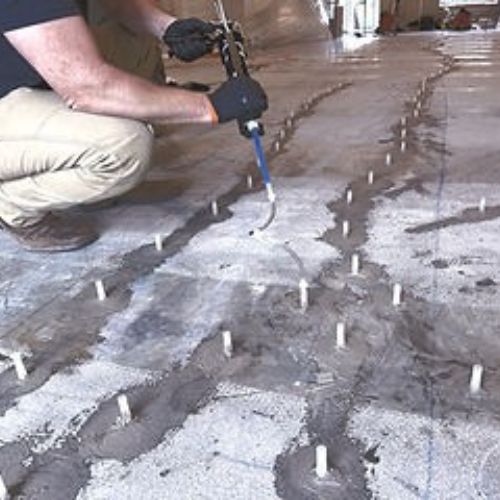
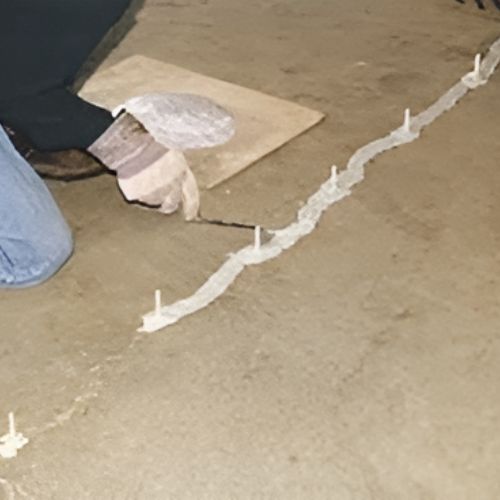
For cracks that are moving or expected to move in the future, such as those caused by thermal expansion, settlement, or vibration, I often use flexible acrylic or elastic polyurethane resins. These materials stay rubbery after curing, so they can stretch and compress with the crack instead of breaking. I’ve found these especially useful in expansion joints, cold joints, and long shrinkage cracks in slabs and retaining walls. From a performance standpoint, these resins offer high elongation and excellent water sealing while sacrificing structural strength. That’s a trade-off I’m happy to make when movement accommodation is more important than load transfer.
Another category worth mentioning is cementitious microfine injection grouts. I use these when dealing with wide cracks, voids, honeycombing, or porous concrete where resin penetration alone isn’t enough. These grouts flow easily into voids and harden into a cement-based matrix that’s compatible with the original concrete. Technically, they offer low viscosity, controlled expansion, and good long-term durability. On real projects, I’ve used them to consolidate weak zones behind retaining walls and under foundations, where restoring mass and stiffness mattered more than flexibility or watertight sealing alone.
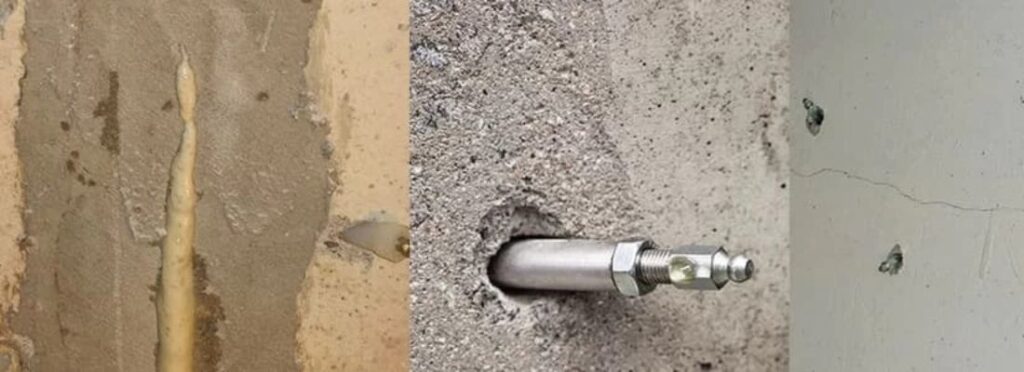
From my experience, successful crack injection isn’t about choosing the strongest resin. It’s about choosing the right resin for the right crack. Epoxy works best for dry structural cracks, polyurethane excels at stopping leaks, flexible resins handle moving cracks, and cementitious grouts fill voids and weak zones. When you understand how the crack behaves and what the structure actually needs, resin injection becomes one of the most effective and least disruptive repair methods available. Done properly, it doesn’t just fix the symptom. It restores performance and extends the life of the structure.
Let me know your thought, exprience in the comment section.
Contact details : www.linkedin.com/in/sanjay-sadanandan , sanjay@aaa-ron.com +968 91145302.