



Not All Cracks Are the Same. Real-World Insights into Concrete Crack Repair.
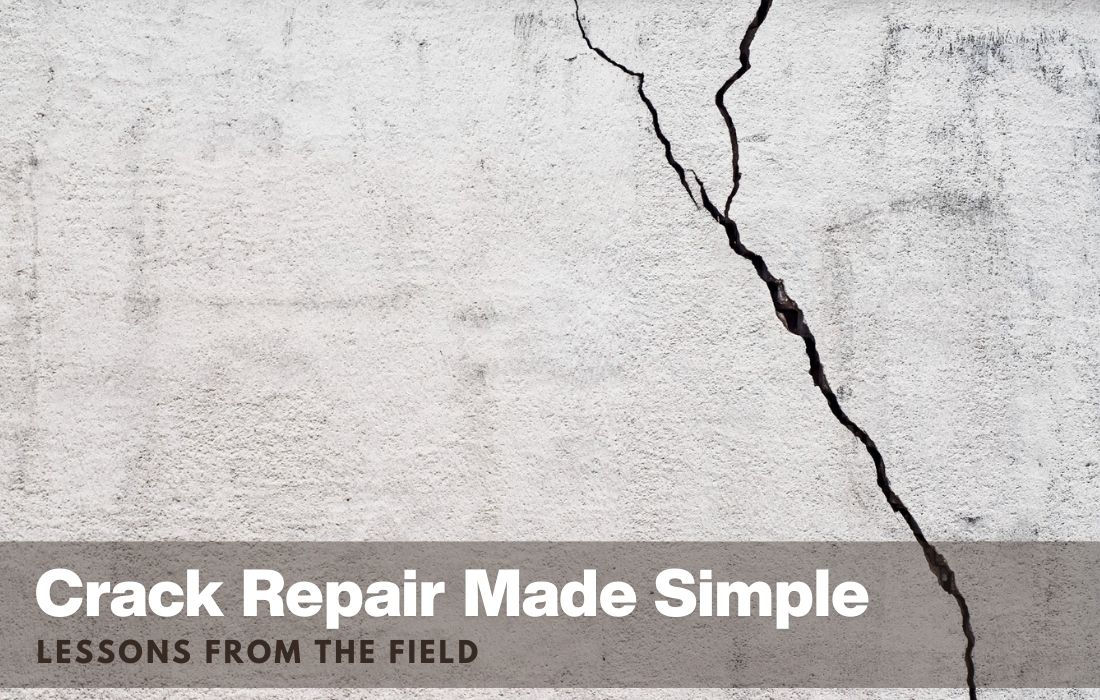
In my experience on construction sites, concrete cracks are one of the most common issues I come across. Cracks do not always mean failure, but they are always a sign that the concrete has responded to stress, shrinkage, temperature changes, or loading. Over the years, I have learned that the biggest mistake people make is treating all cracks the same. Understanding why a crack has formed is the first and most important step in repairing it correctly.
From what I see in practice, cracks generally fall into two categories. Non-structural cracks are the most common and include plastic shrinkage cracks, drying shrinkage cracks, and fine surface cracks. These usually appear due to improper curing, rapid moisture loss, or temperature variation. Structural cracks are less common but more serious. These are typically caused by overloading, settlement, corrosion of reinforcement, or design issues and they directly affect the strength of the structure.
Type of Cracks
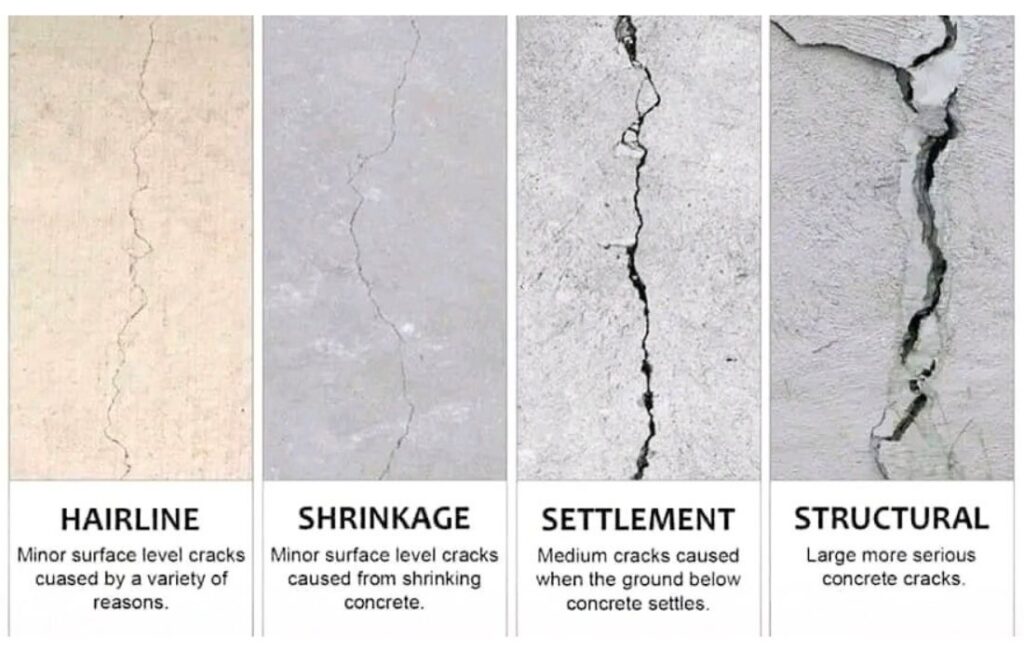
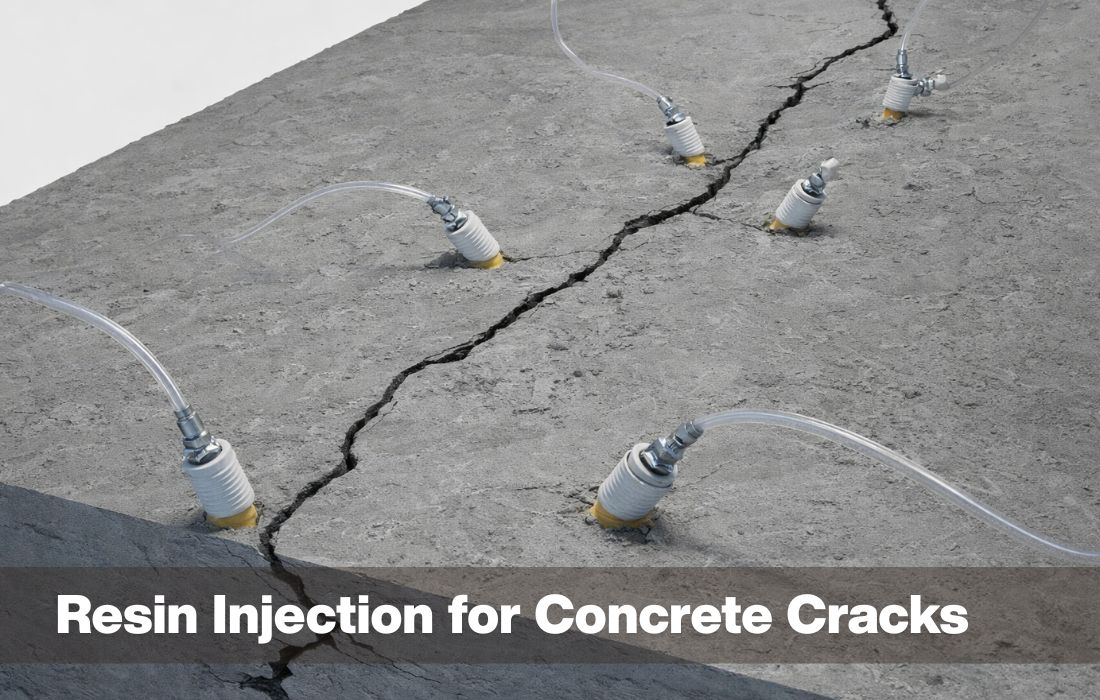
For hairline and dormant cracks, I usually recommend surface sealing or injection depending on the depth. In many projects, low-viscosity epoxy or polymer-based sealers work well to seal the crack and prevent water or chemicals from entering the concrete. When cracks are wider but stable, epoxy injection has proven to be very effective in restoring structural continuity, especially in beams, slabs, and columns.
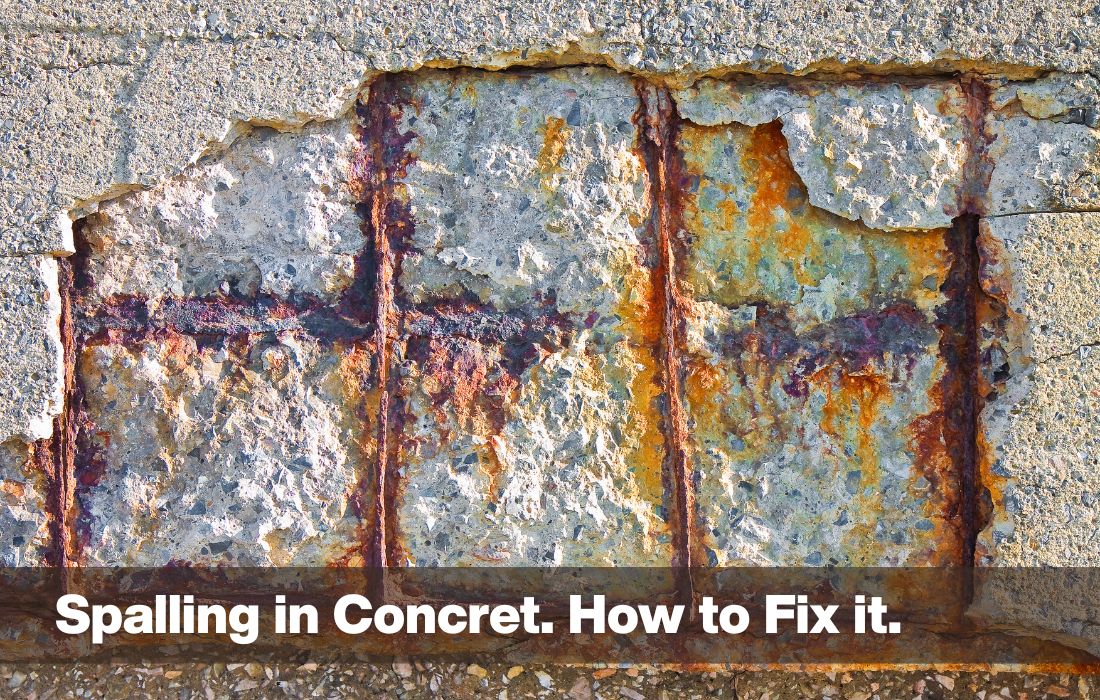
Moving cracks need a different approach. In such cases, I rely on polyurethane injection because it remains flexible and can accommodate movement while sealing water leakage. When cracks are caused by reinforcement corrosion, the repair becomes more extensive. This involves removing damaged concrete, cleaning and protecting the steel, and rebuilding the section using high-performance repair mortars. In some structural repairs, crack stitching or additional reinforcement is required to regain strength.
In conclusion, based on my experience, successful concrete crack repair is about choosing the right method for the right crack. A proper assessment, correct repair material, and careful execution make all the difference. When done correctly, crack repair not only fixes the visible damage but also protects the structure and significantly extends its service life.
Let me know your thought, exprience in the comment section.
Contact details : www.linkedin.com/in/sanjay-sadanandan , sanjay@aaa-ron.com +968 91145302.
Как seo оптимизация и продвижение сайтов помогают при выходе на новые рынки?
Создание сайтов — что обязательно должно быть прописано в техническом задании?